The Best Smartphones Under $300 (2025)
Finding a reliable smartphone for under $300 is easier than it used to be, but not all budget phones are created equal. Below are five strong choices for 2025, presented with concise specifications, why each is worth considering, and the important trade-offs to know.
Ali khan
5/8/20244 min read

The Best Smartphones Under $300 (2025)
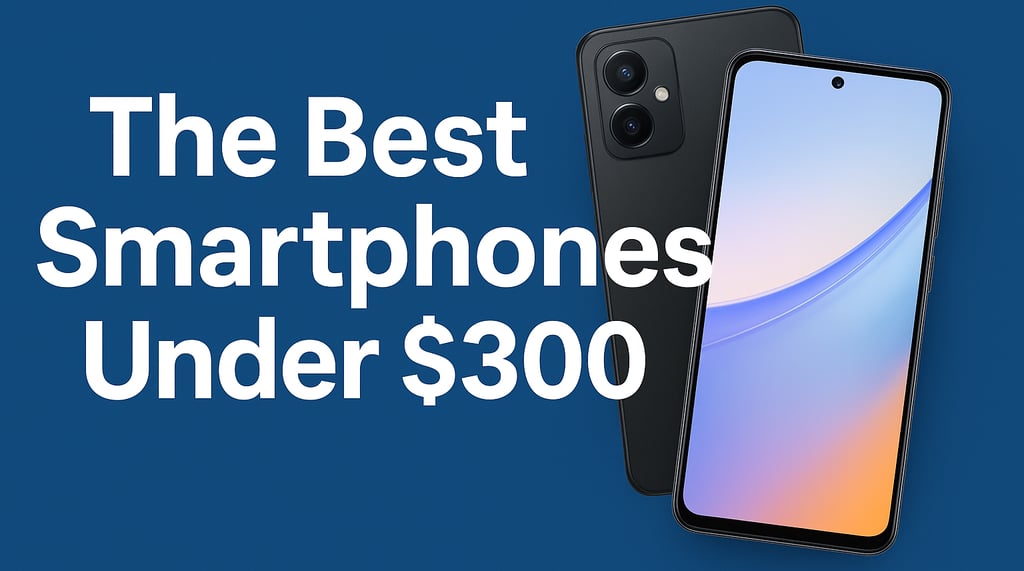
Finding a reliable smartphone for under $300 is easier than it used to be, but not all budget phones are created equal. Below are five strong choices for 2025, presented with concise specifications, why each is worth considering, and the important trade-offs to know.
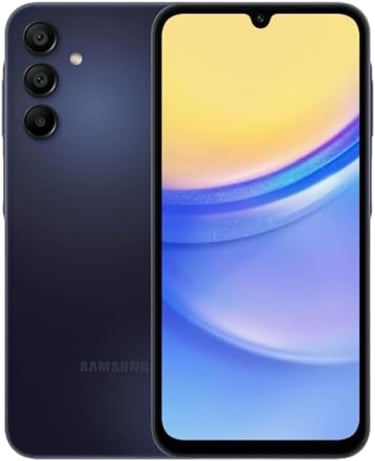
1. Samsung Galaxy A15 5G — Best overall balance
Specifications
Display: 6.5-inch Super AMOLED, 90 Hz, 1080 × 2400
Processor: MediaTek Dimensity 6100+ (or equivalent)
RAM / Storage: 6–8 GB RAM, 128 GB storage (expandable via microSD on some SKUs)
Camera: 50 MP main, 8 MP ultrawide, 2 MP macro / depth (varies by region)
Battery / Charging: 5,000 mAh, 25 W charging
Software: Android with Samsung One UI; approx. 3–4 years of security updates promised
Price: ≈ $250–$299 (street price varies by market)
Why we like it
Samsung packs a bright Super AMOLED screen and a reliable software update promise into a value package. The display quality and color reproduction are notably better than many rivals in this bracket, and the overall experience feels polished — from the camera processing to day-to-day performance.
Where it falls short
Charging is slower than some competitors, and the chassis uses mostly plastic. If you want the fastest charging or a metal/glass build, you’ll need to look elsewhere or spend more.
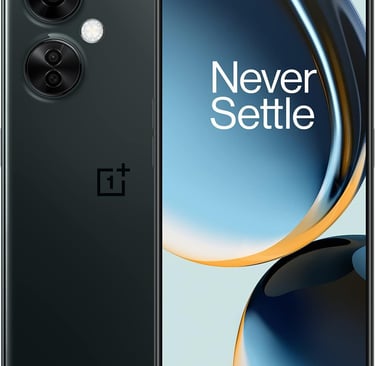
2. OnePlus Nord N30 5G — Best for performance
Specifications
Display: 6.72-inch LCD/AMOLED (market dependent), 120 Hz, 1080 × 2400
Processor: Qualcomm Snapdragon 695 (or similar midrange Snapdragon)
RAM / Storage: 6–8 GB RAM, 128 GB storage
Camera: 50 MP main, 8 MP ultrawide, 2 MP macro / depth
Battery / Charging: ~4,500–5,000 mAh, 65 W fast charging (varies by model)
Software: OxygenOS (lightly customized Android)
Price: ≈ $279–$299
Why we like it
This model delivers snappy everyday performance and a fluid display thanks to the 120 Hz refresh rate. Fast charging makes it convenient for heavy users, and the OnePlus software experience is typically clean and responsive.
Where it falls short
Camera quality lags behind some rivals in low light, and the N30 often ships with only modest software-update guarantees compared with major brands. Build materials are acceptable but not premium.
3. Motorola Moto G Power (2025) — Best for battery life
Specifications
Display: 6.6–6.7-inch IPS LCD, 90 Hz, 1080 × 2400 (approx.)
Processor: Entry-to-midrange Snapdragon / MediaTek (model varies)
RAM / Storage: 4–6 GB RAM, 64–128 GB storage
Camera: 50 MP main, auxiliary lenses for macro/depth
Battery / Charging: 5,000–6,000 mAh, 20–30 W charging
Software: Near-stock Android, light Motorola additions
Price: ≈ $199–$249
Why we like it
Battery endurance is the headline here — expect multi-day use with moderate activity. Motorola’s near-stock Android keeps the interface uncluttered, and the phone handles routine tasks reliably.
Where it falls short
Performance is modest compared with more expensive rivals; sustained multitasking and heavier apps will feel slower. Display brightness and camera detail, especially in low light, are only average.
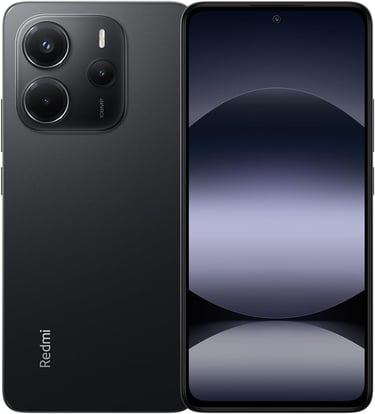
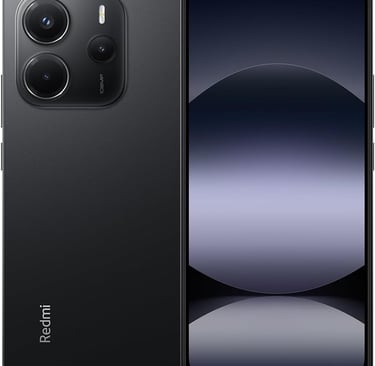
4. Xiaomi Redmi Note 14 5G — Best camera value
Specifications
Display: 6.6-inch AMOLED, 90–120 Hz, 1080 × 2400
Processor: MediaTek Dimensity midrange series (e.g., 7000/6100 class)
RAM / Storage: 6–8 GB RAM, 128–256 GB storage
Camera: 108 MP or 50 MP main (depending on SKU), ultrawide + macro or depth sensors
Battery / Charging: 5,000 mAh, 67 W fast charging
Software: MIUI (feature rich, includes preinstalled apps)
Price: ≈ $249–$299
Why we like it
The Redmi Note line consistently delivers excellent camera value and fast charging. The large main sensor and aggressive image processing produce strong daylight shots, and the AMOLED display outclasses many LCD alternatives in contrast and color.
Where it falls short
MIUI can be heavy with preinstalled apps and ads in some regions; some users may need to spend time cleaning and configuring the software. Software-update timelines are less predictable than Samsung or OnePlus.
5. Realme 12x 5G — Best for design & fast charging
Specifications
Display: 6.5–6.7-inch AMOLED, 120 Hz, 1080 × 2400
Processor: MediaTek Dimensity 700/800 series (varies)
RAM / Storage: 6–8 GB RAM, 128 GB storage
Camera: 64 MP main sensor, supporting lenses for depth/ultrawide on select SKUs
Battery / Charging: 5,000 mAh, 65 W fast charging
Software: Realme UI (custom Android skin)
Price: ≈ $269–$299
Why we like it
Realme offers a premium look and very fast charging at this price point, plus a smooth display. The phone feels modern in the hand and often edges rivals on charging convenience and display smoothness.
Where it falls short
Realme UI is feature-packed but can be inconsistent, and software updates may be slower than Samsung’s policy. Camera processing is generally good in daylight but slips in poorer lighting conditions.
Buying advice: what matters most under $300
In this price band, prioritize display quality, battery life, and software support over headline megapixel counts. AMOLED screens and higher refresh rates noticeably improve daily use; battery capacity of 4,500–5,000 mAh or higher ensures you don’t worry about chargers; and predictable update policies extend the useful life of the phone.
If you must pick one all-rounder: Samsung Galaxy A15 5G offers a balanced mix of display, software policy, and camera quality. If fast charging and speed matter more, consider the OnePlus Nord N30 or Realme 12x. For the longest battery endurance at the lowest price, Moto G Power is hard to beat.